
I’ve always wondered why it seems that women tend to store fat around their hips and thighs, while men often struggle with excess fat around their bellies. This observation led me down a path of discovery, where I learned about the distinct fat distribution patterns known as android and gynoid fat. Understanding these patterns not only answered my curiosity but also opened my eyes to the complex interplay of genetics, hormones, and lifestyle factors that influence where our bodies store fat.
The Basics of Fat Distribution: Android vs. Gynoid
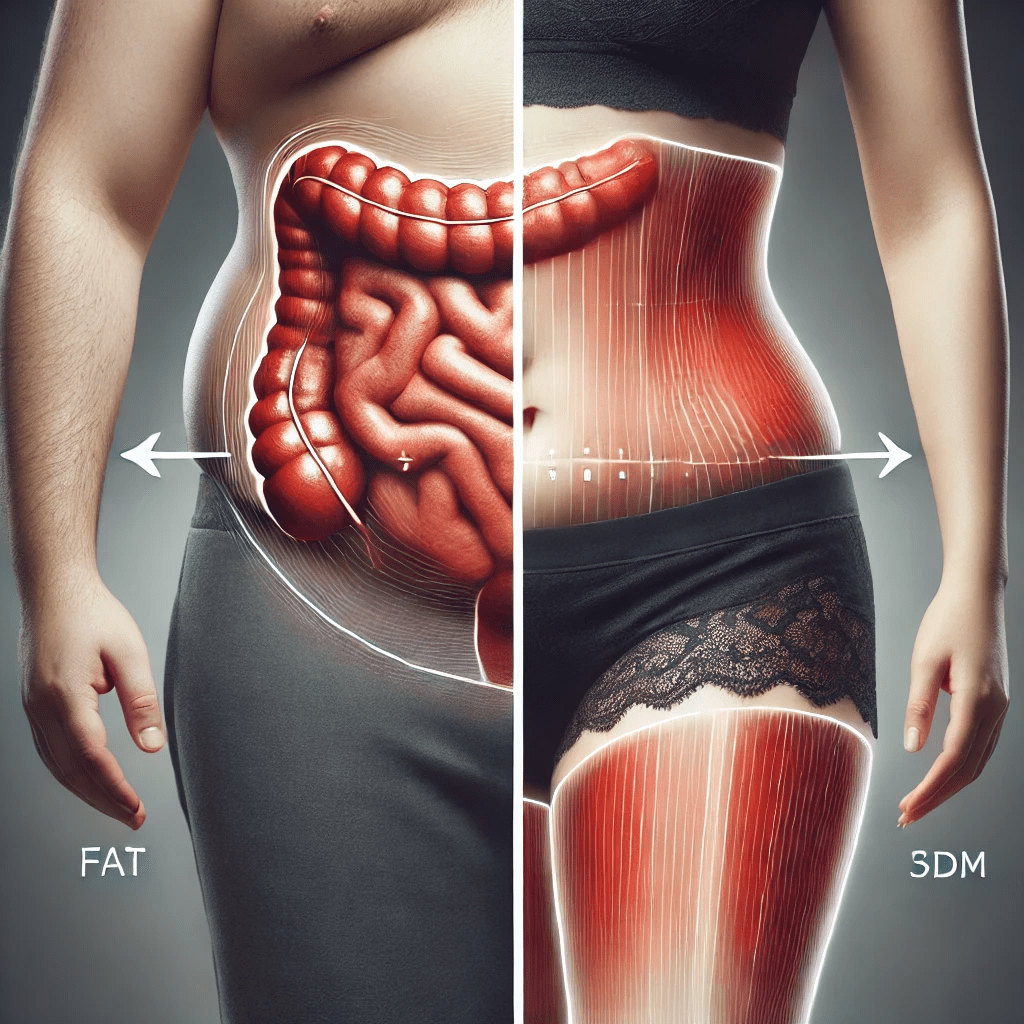
Android Fat Distribution
- Typical in Men: Android fat distribution, often referred to as “apple-shaped,” is more common in men. This pattern involves storing fat predominantly around the abdomen and upper body.
- Health Implications: This type of fat is metabolically active and associated with higher risks of cardiovascular disease, diabetes, and metabolic syndrome. Visceral fat, the type found around organs in the abdominal area, is particularly harmful.
- Challenges: Even with regular workouts, reducing abdominal fat can be challenging due to its deep location and hormonal influences.
Gynoid Fat Distribution
- Typical in Women: Gynoid fat distribution, known as “pear-shaped,” is more common in women. This pattern involves storing fat around the hips, buttocks, and thighs.
- Health Implications: While gynoid fat is less harmful metabolically than abdominal fat, it can still contribute to issues like osteoarthritis due to increased load on joints.
- Challenges: This subcutaneous fat is often stubborn and resistant to diet and exercise alone, making it difficult to lose.
The Hormonal Influence
Hormones play a significant role in determining fat distribution:
- Estrogen: In women, higher estrogen levels promote fat storage in the lower body, leading to a gynoid fat distribution. This pattern is particularly pronounced during childbearing years.
- Testosterone: In men, higher levels of testosterone encourage fat storage around the abdomen, resulting in an android fat distribution.

The Struggle with Stubborn Fat
Despite regular exercise and a healthy diet, many people find it challenging to lose fat in these targeted areas. This stubborn fat is often influenced by genetic predispositions and hormonal balances, which can make traditional weight loss methods less effective.
The Role of Nutraceuticals in Fat Reduction
Nutraceuticals, which are food-derived products with health benefits, can play a crucial role in managing fat distribution and supporting overall health. Here’s how they can help:
For Android Fat (Abdominal Fat)
- Omega-3 Fatty Acids: Found in fish oil and flaxseed, omega-3s reduce inflammation and improve insulin sensitivity, which can help reduce abdominal fat.
- Green Tea Extract: Rich in catechins, particularly EGCG, green tea extract boosts metabolism and enhances fat oxidation, targeting visceral fat.
- CLA (Conjugated Linoleic Acid): CLA can help reduce body fat, especially in the abdominal area, and improve muscle mass.
For Gynoid Fat (Hip and Thigh Fat)
- Probiotics: These beneficial bacteria support gut health and can help regulate body weight and fat distribution.
- Curcumin: The active ingredient in turmeric, curcumin has anti-inflammatory properties that can support overall metabolic health and potentially influence fat storage patterns.
- Fiber Supplements: Fiber helps promote satiety, reduce calorie intake, and improve digestive health, which can assist in overall fat reduction.
Combining Nutraceuticals with Lifestyle Changes

To maximize the benefits of nutraceuticals, it’s essential to combine them with healthy lifestyle practices:
- Balanced Diet: Focus on a diet rich in whole foods, lean proteins, healthy fats, and plenty of fruits and vegetables.
- Regular Exercise: Incorporate both cardiovascular and strength-training exercises to boost overall fat loss and improve muscle tone.
- Stress Management: Practice mindfulness, meditation, or yoga to reduce stress levels, which can negatively impact fat distribution.
- Adequate Sleep: Ensure you get 7-9 hours of quality sleep each night to support overall health and weight management.
Conclusion
Understanding the differences between android and gynoid fat distribution helps us recognize the unique challenges men and women face in managing their body fat. While genetics and hormones play significant roles, incorporating nutraceuticals into a balanced diet and healthy lifestyle can provide additional support in the battle against stubborn fat. By embracing these strategies, we can take meaningful steps towards achieving a healthier, more balanced body composition.



 Ko-sha
Leave a comment