
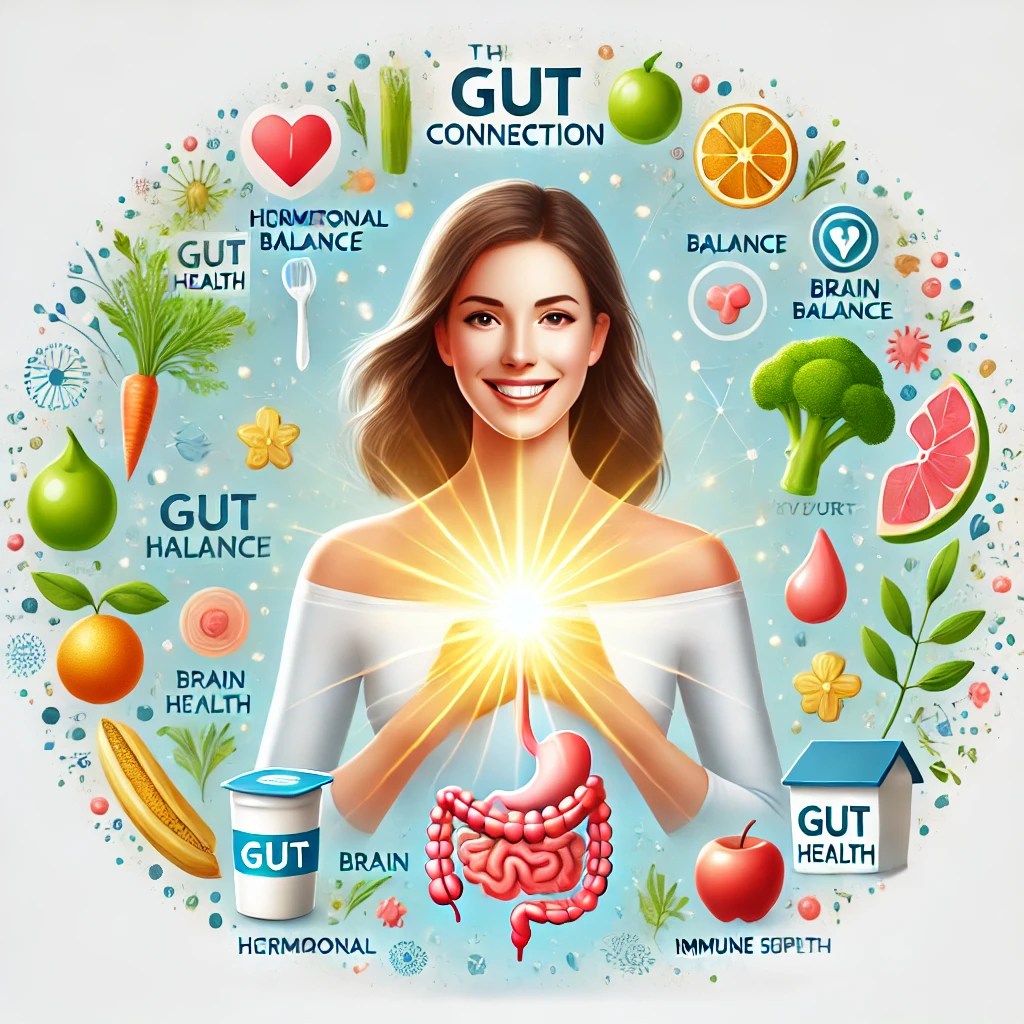
The human gut is often referred to as the “second brain” due to its vast influence on various physiological processes. The gut’s impact on the body is profound, especially for women, as it affects hormonal balance, mental health, immune function, and more. This blog explores how the physiological functions of the gut interconnect with and influence different aspects of women’s health.
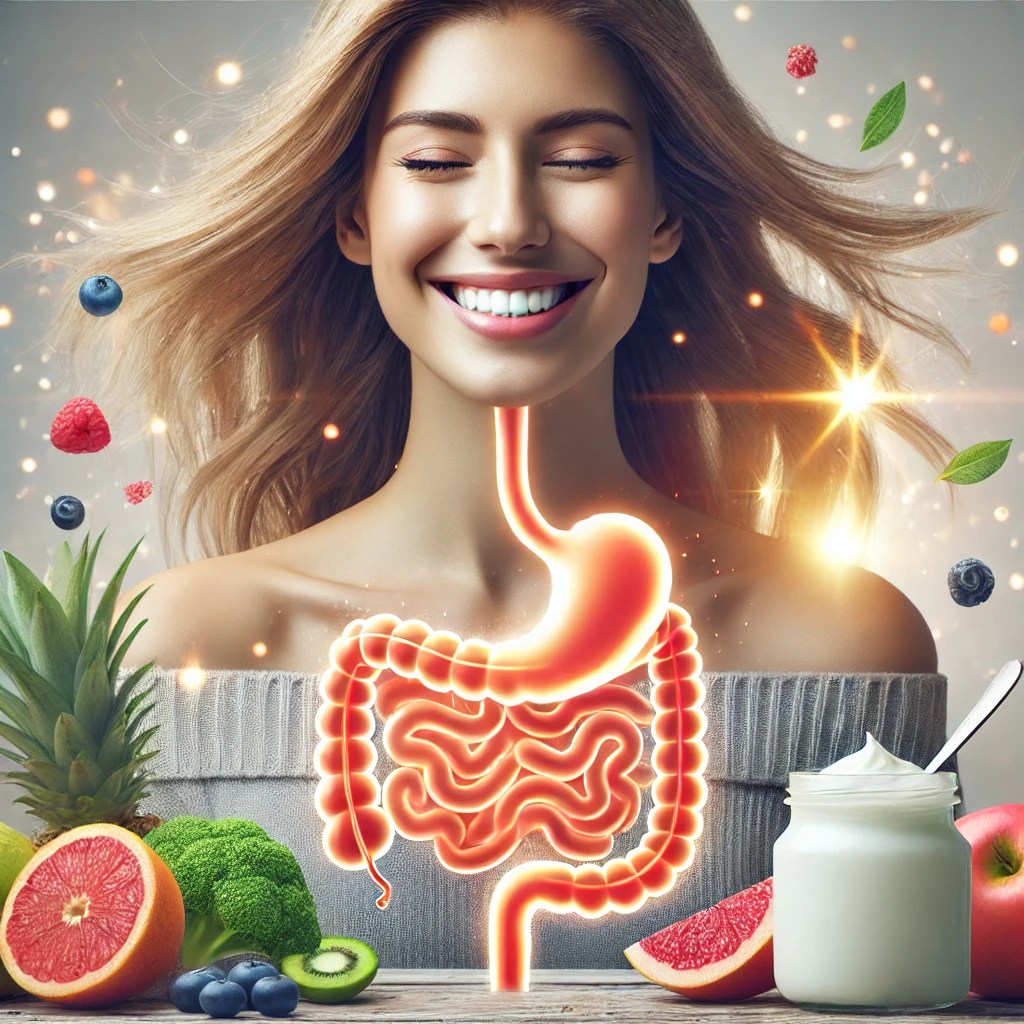
Introduction: The Gut and Its Functions
The gut, or gastrointestinal (GI) tract, is responsible for digesting food, absorbing nutrients, and expelling waste. It is home to trillions of microorganisms collectively known as the gut microbiota. These microbes play a crucial role in breaking down complex carbohydrates, synthesizing vitamins, and maintaining gut health. The gut also communicates with other bodily systems through the gut-brain axis, influencing overall health and well-being.
The Gut and Hormonal Regulation
The Estrobolome and Estrogen Metabolism
The gut microbiota includes bacteria that influence the metabolism of estrogen, a hormone critical for reproductive health. This collection of bacteria, known as the estrobolome, helps regulate estrogen levels by metabolizing estrogens into their active forms or facilitating their excretion.
- Impact on Women’s Health: Proper estrogen metabolism is essential for regulating menstrual cycles, reducing menopause symptoms, and lowering the risk of estrogen-related cancers such as breast and endometrial cancer .
- Dysbiosis and Hormonal Imbalance: An imbalance in the gut microbiota can lead to improper estrogen metabolism, contributing to conditions like PMS, PCOS, and hormone-dependent cancers .
The Gut and Menstrual Health
Influence on PMS and Menstrual Cycles
The gut microbiota can affect the severity of premenstrual syndrome (PMS) and menstrual cramps through its role in inflammation and hormonal regulation.
- Inflammatory Mediators: Gut bacteria can produce or modulate inflammatory compounds that influence pain and inflammation during menstruation.
- Hormonal Modulation: By regulating estrogen levels, the gut microbiota can help alleviate symptoms associated with PMS and dysmenorrhea (painful periods).
The Gut and Pregnancy
Changes During Pregnancy
Pregnancy induces significant changes in the gut microbiota, which can affect nutrient absorption, immune function, and overall health.
- Nutrient Absorption: Enhanced absorption of nutrients supports both maternal and fetal health .
- Immune Modulation: A healthy gut helps modulate the immune system, reducing the risk of gestational diabetes and preeclampsia .
The Gut-Brain Axis and Mental Health
Communication Between the Gut and Brain
The gut-brain axis is a bidirectional communication system between the gut and the brain, involving neural, hormonal, and immunological pathways.
- Neurotransmitter Production: Gut bacteria produce neurotransmitters like serotonin and dopamine, which are crucial for mood regulation .
- Impact on Mental Health: Women are more likely to experience anxiety and depression. A healthy gut can help mitigate these conditions by regulating the production of neurotransmitters and reducing systemic inflammation .
The Gut and Bone Health
Role in Calcium and Vitamin D Absorption
The gut plays a pivotal role in the absorption of calcium and vitamin D, both essential for maintaining bone density.
- Bone Density: Proper gut function ensures adequate absorption of these nutrients, crucial for preventing osteoporosis, especially in postmenopausal women .
The Gut and Weight Management
Metabolic Health
The gut microbiota significantly influences metabolic health by regulating fat storage and glucose metabolism.
- Weight Management: A balanced gut microbiota supports healthy weight management and reduces the risk of obesity and metabolic disorders like type 2 diabetes .
- Women-Specific Challenges: Hormonal changes during different life stages can impact weight, and a healthy gut can help mitigate these effects by supporting metabolism and reducing inflammation .
The Gut and Immune Function
Autoimmune Diseases
The gut-associated lymphoid tissue (GALT) is a critical component of the immune system, and women are more prone to autoimmune diseases.
- Immune Modulation: A healthy gut can help regulate immune responses, reducing the risk of autoimmune conditions such as rheumatoid arthritis and lupus .
Conclusion
The physiological functions of the gut have far-reaching effects on various aspects of women’s health, from hormonal balance and menstrual health to mental well-being and immune function. Maintaining a healthy gut through a balanced diet, regular exercise, and possibly probiotics can significantly enhance overall health and well-being in women.


 Ko-sha
Leave a comment