
Trehalose is increasingly discussed in nutraceutical science for its potential role in cellular stress resistance and metabolic health. But does trehalose actually improve longevity or metabolic function in humans?
This evidence-based review examines what trehalose is, how it works biologically, what clinical research shows, and where the limitations lie.
1. What Trehalose Is
Trehalose is a naturally occurring disaccharide composed of two glucose molecules linked by an α,α-1,1 bond. It is found in mushrooms, yeast, algae, and certain insects, where it functions as a stress-protective sugar.
In food science, trehalose is used as a stabilizer because it helps protect proteins and cellular structures from dehydration and oxidative damage.
Although trehalose is chemically a sugar, its biological effects differ slightly from standard glucose due to its digestion kinetics and molecular stability.
2. How Trehalose Works (Biological Mechanisms)
Trehalose has been studied for three primary biological mechanisms:
A. Autophagy Activation (Cellular Recycling)
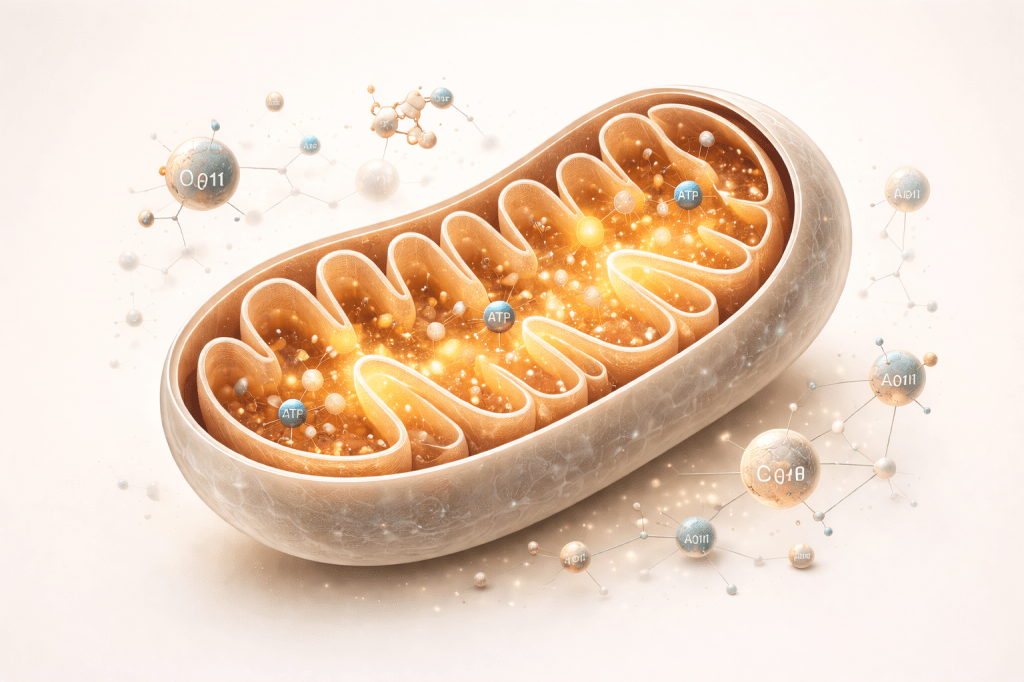
Preclinical studies show trehalose may enhance autophagy — a cellular process that removes damaged proteins and dysfunctional organelles.
Autophagy is being studied in relation to:
- Aging biology
- Neurodegenerative disorders
- Metabolic stress
Sarkar et al., Autophagy (2007) demonstrated trehalose-induced autophagy in experimental models.
Important: Most evidence for this mechanism comes from cell and animal studies, not large human trials.
B. Protein and Membrane Stabilization
Trehalose stabilizes proteins under stress conditions such as dehydration and heat exposure. This property explains its industrial and cosmetic applications.
Elbein et al., Glycobiology (2003) described trehalose’s biochemical stability and protective characteristics.
C. Metabolic Response Modulation
Some small human studies suggest trehalose produces a slower glycemic response compared to pure glucose.
Higashiyama et al., Nutrition Journal (2012) reported lower postprandial glucose and insulin responses compared to glucose in healthy adults.
However, this does not mean trehalose prevents diabetes or improves long-term metabolic disease outcomes.
3. What Clinical Research Shows
Current human evidence is limited but evolving.
Glycemic Impact
Small controlled trials suggest trehalose may cause:
- A modestly lower blood glucose rise than glucose
- Slightly reduced insulin response
These effects are mild and not equivalent to therapeutic glucose control.
Neuroprotection and Longevity
Animal models show trehalose may:
- Promote autophagy
- Reduce protein aggregation
- Improve survival in experimental neurodegenerative models
However:
There are no large-scale human trials demonstrating that trehalose:
- Prevents Alzheimer’s disease
- Treats Parkinson’s disease
- Extends human lifespan
Longevity claims are based primarily on yeast, worm, or rodent data.
Liver and Metabolic Health
Preclinical studies have explored trehalose in fatty liver and metabolic syndrome models, but robust randomized human trials are lacking.
At present, trehalose should not be considered a treatment for NAFLD, diabetes, or metabolic disease.
4. Limitations of Current Evidence
- Most mechanistic data comes from animal or cell studies
- Human trials are small and short-term
- No large randomized controlled trials on longevity or disease prevention
- Long-term supplementation safety beyond food-level intake is not well established
Therefore, current evidence remains preliminary rather than definitive.
5. Practical Takeaway
Trehalose may:
- Serve as a functional food sugar with mild glycemic advantages over glucose
- Support cellular stress resistance in laboratory models
- Have emerging research interest in autophagy biology
Trehalose should not be marketed as:
- A longevity supplement
- A neurodegenerative treatment
- A metabolic cure
Who May Benefit
- Individuals interested in functional carbohydrates
- Those researching autophagy-supportive dietary compounds
Who Should Use Caution
- Individuals assuming therapeutic disease effects
- People with digestive intolerance to certain sugars
Safe Intake
Trehalose is considered safe in food quantities. There is no established clinical dosage for longevity or disease prevention.
Consult a healthcare professional before supplement-level use.
6. Frequently Asked Questions
Does trehalose increase lifespan in humans?
There is no clinical evidence demonstrating lifespan extension in humans. Longevity data comes from experimental organisms.
Is trehalose better than regular sugar?
Trehalose may produce a slightly lower glycemic response than glucose, but it remains a carbohydrate and contributes calories.
Does trehalose activate autophagy in humans?
Autophagy activation has been demonstrated in laboratory models. Human confirmation is limited.
Can trehalose treat Alzheimer’s disease?
No. Current research does not support trehalose as a treatment for neurodegenerative disorders.
Conclusion
Trehalose is a biologically interesting sugar with promising laboratory research related to cellular stress resistance and autophagy.
However, clinical evidence in humans remains limited. While early findings are intriguing, trehalose should be viewed as an emerging area of nutraceutical research rather than a proven longevity or disease-modifying intervention.
As with all supplements, evidence-based evaluation and clinical context are essential.

 Ko-sha
Leave a comment