
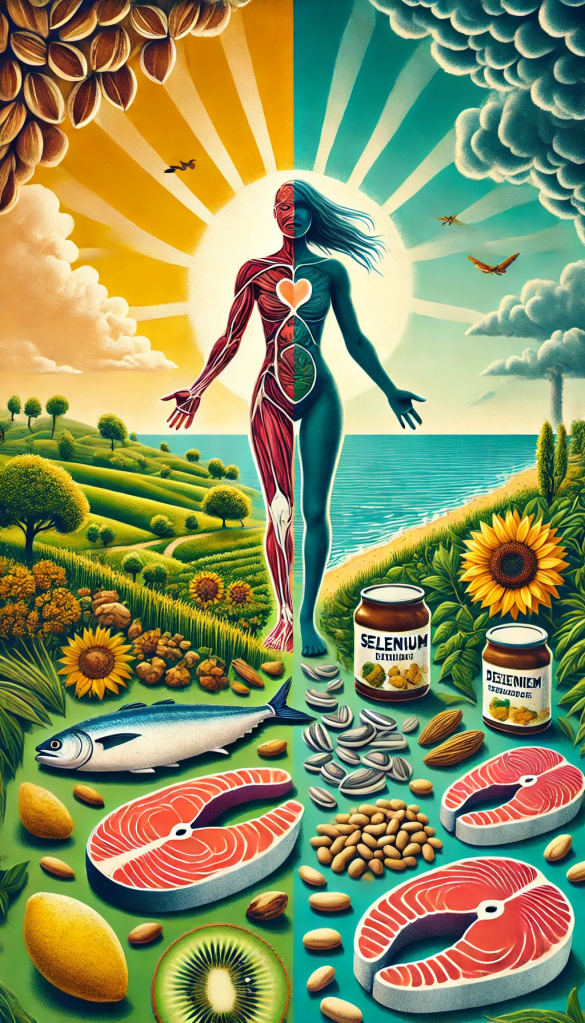
In the vast universe of nutrition, certain stars shine brightly, well-known and celebrated. Yet, some remain in the shadows, seldom spoken of in everyday conversations. Selenium, a crucial but often overlooked trace mineral, is one such unsung hero in our diet. Despite its critical role in human health, many of us, including health professionals, rarely address selenium’s importance, leading to unnoticed deficiencies that weren’t a concern for our ancestors. This blog dives deep into the world of selenium, exploring its essential functions and the modern-day challenges that have led to its deficit in our diets.
Selenium: A Vital Nutrient in the Shadows Selenium is a key component of various enzymes and proteins, known as selenoproteins, that are essential for human health. These selenoproteins play critical roles in reproduction, DNA synthesis, and protection from infection and oxidative damage. Moreover, selenium is pivotal in thyroid hormone metabolism, influencing both our energy levels and metabolism.
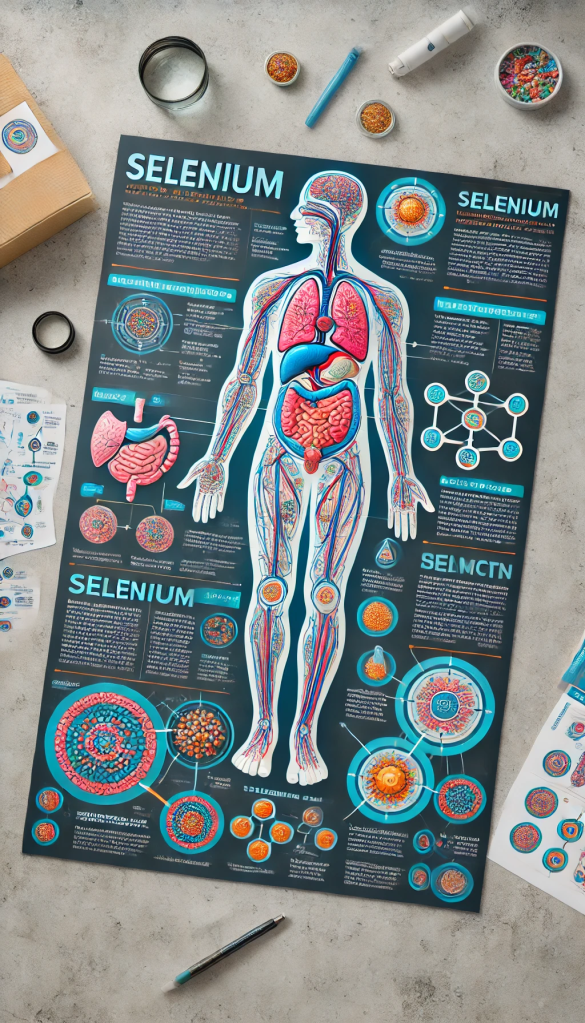
Why We Never Hear About Selenium Despite its significance, selenium doesn’t often make headlines. This oversight might be due to its trace requirement, as the body needs it only in small amounts. However, this doesn’t diminish its importance. Selenium’s quiet deficiency is rarely tested for in routine checks, and its absence in discussions can lead to a lack of awareness about its crucial roles.
Historical Context: An Ancestral Abundance Our ancestors didn’t face the challenge of selenium deficiency as prevalently as we do today. Historically, diets were more varied and often richer in selenium, largely due to the consumption of whole foods and selenium-rich soils in which these foods were grown. In contrast, modern agricultural practices and soil depletion have reduced the selenium content in many areas, affecting the selenium levels in our current food supply.
The Modern Selenium Deficit Today’s fast-paced lifestyle contributes to dietary choices that often neglect essential nutrients like selenium. Processed foods, which dominate many diets, are typically low in this mineral. Moreover, the global variation in soil selenium levels means that even healthy diets can be deficient depending on geographic location.
The Overlooked Issue by Healthcare Professionals In the busy corridors of modern healthcare, the subtlety of selenium deficiency often goes unnoticed. With a focus on more immediate health issues, healthcare professionals may overlook this trace mineral’s impact. Yet, its deficiency can lead to serious health problems, including heart disease, hypothyroidism, and a weakened immune system.
Conclusion: Reviving the Legacy of Selenium Bringing selenium back into the spotlight is crucial for our health. It’s time to recognize the silent, yet powerful role this nutrient plays. By increasing our intake of selenium-rich foods such as Brazil nuts, yellowfin tuna, halibut, sardines, and sunflower seeds, we can help mitigate the risk of deficiency and promote overall health. Let’s not wait for selenium deficiency symptoms to appear before we act. Instead, let’s proactively incorporate this pivotal nutrient into our diet and discussions, ensuring a healthier future.



 Ko-sha
Leave a comment